Right from unlocking your phone with Face ID to logging into your banking app or office gate, face recognition technology has got you covered. Alongside, you enter a grocery store, and you’re under surveillance. Do you know the exact reason behind this? Yes! It’s not rocket science, although it’s the power of face recognition software.
Facial recognition today has become a strategic asset for individuals, organizations, executive leadership, IT teams, and more. It uses biometric technology to identify a person by scanning facial features. It’s here to protect both people and property.
As the demand for and worldwide adoption of FRT software grow, specific issues arise, such as protection of fundamental freedoms, legal bias, discrimination, and privacy. Thus, there’s one question. Is face recognition software safe and legal to use?
This blog is here to break down the nitty-gritty of FR software, so you can make the right decision.
Let’s get started.
Understanding Facial Recognition Software
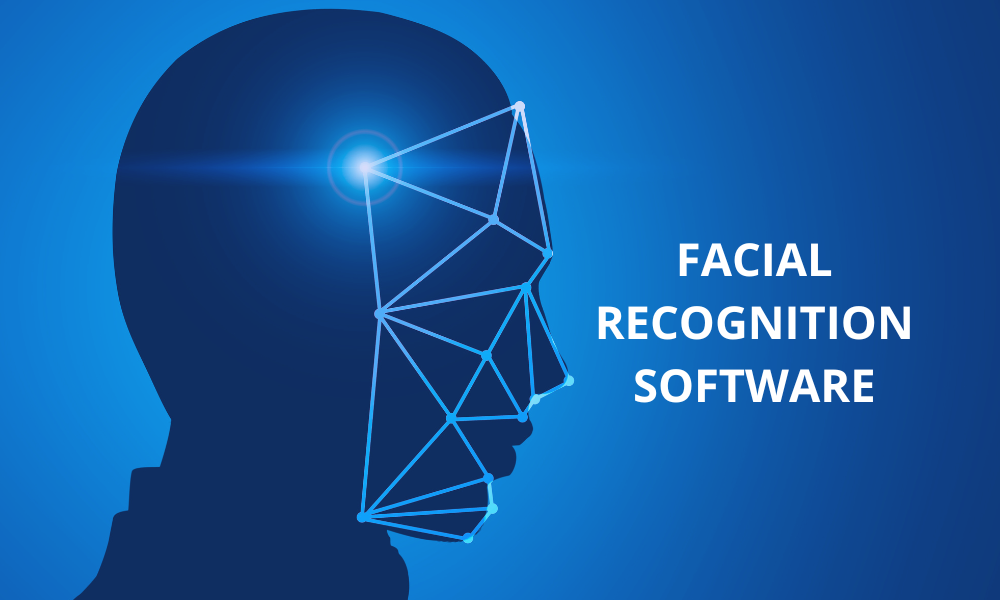
Facial recognition, in simple terms, is a biometric authentication method that verifies an individual’s identity. This is done by scanning individuals' facial features in photos, videos, or in real time via CCTV.
It goes beyond simply detecting a face and compares the image in the database to identify the person. Just like two fingerprints are not similar, two faceprints are not the same. Among the different types of biometric authentication methods, facial recognition is gaining popularity, despite rising concerns and issues.
Here is how the facial recognition software works:
Face Detection: In the first step, the face is detected in the image or in a video.
Facial Features Extraction: Facial features are then extracted, such as the shape of the nose and the distance between the eyes and converted into mathematical expressions called facial templates.
Matching: The extracted features are then compared with the stored features in the database.
Decision: The final decision is made, considering which is matched or non-matched.
Ethical and Security Risks Associated with Face Recognition Software
Even though technology is beneficial, it does come with a web of drawbacks that cannot be overlooked. Following are some of the serious risks associated with this stand out face recognition software.
Bias Concerns
One of the major concerns that arouses with the software is, it sometimes discriminates the color, change its perspective when it comes to women, or even gender diverse individuals, due to the trained biased data.
Data Privacy Risks
Facial data is regarded as very sensitive to biometric data. When not stored in the most appropriate way, it is an easy victim of data breaches. Password breaches are less harmful than biometric breaches, which cannot be altered once compromised.
Ethical Concerns and Surveillance
Individuals are tracked in public spaces without knowledge or consent. This creates privacy concerns as their facial data is exposed. Alongside creates a problem of civil liberties and freedom of movement.
Privacy Concerns
Storing biometric data, such as faceprint, raises privacy issues. Users need to understand where their data is stored, who can access it, and how it is protected.
Legal View and Regulations
The legal perspective for facial recognition software is continuously transforming. International and state laws are trying to focus on privacy and consent.
United States
Currently, there are many cities in the US who have passed legal legislation to keep an eye on data protection, consumer protection, and more. Alongside, San Francisco stands as the first city to ban police surveillance from using facial recognition software.
European Union
Facial data falls under the special category of personal data under GDPR. This should only be used under express permission, powerful grounds, and strong measures. The next piece of legislation, the EU AI Act, further classifies some uses of facial recognition as being high-risk or even banned, particularly in surveillance of the general population.
Face recognition software is legal to use in some scenarios, such as:
-
- Access control in the workplace
- Identifying a user’s identity in banking
- Unlocking a mobile device
Best Practices for Implementing Face Recognition Software's
-
- It is necessary to comply with privacy and data protection regulations across the biometrics landscape.
- Make sure to use a varied training set to reduce bias.
- Inform or share knowledge about the face recognition software with individuals.
- Keep a close eye on the logging activity and monitoring to avoid any misuse or unusual activity.
- Choose a vendor that offers high-level accuracy.
Should Face Recognition Software be used in your Business?
Organizations need to think twice before adopting face recognition software. Does this technology play a vital role in certain use cases, or can any other alternative be considered?
Are there any legal foundations and internal controls to handle the responsibility for biometric data? Indeed, there are many questions about privacy and security with such software. As discussed earlier, ethical, legal, and privacy issues are here to stay! So, all you need to do is implement the software correctly and with proper responsibility.
Winding Up the Blog!
Facial recognition technology has a long way to go, standing out in the biometric authentication landscape. Unlike other methods that rely on physical security, such as fingerprinting, entering passwords, and more, facial recognition simply identifies the face. Even though it offers convenience, we cannot overlook the ethical and legal issues that accompany it. Hope the above blog has helped you to understand better.
Check out our website to stay in the know of all the trending blog updates.
FAQs:
1. What are the legal issues caused by facial recognition?
Answer: Some of the legal issues caused by facial recognition are privacy violations, a lack of consistent regulation, unauthorized data collection, and more.
2. Is facial recognition software accurate?
Answer: In some cases, facial recognition software is accurate. However, issues are still caused due to low image quality, pose, and lighting.
3. Which are the facial recognition software's?
Answer: There is a range of popular face recognition software, including Microsoft Azure API, Kairos, and Face++.
Recommended For You:
Computer Vision And Facial Recognition: Real World Applications
The Future of Facial Recognition: Opportunities and Concerns